How much does a logo design cost in the UK?.
UK logo design costs from £20 marketplaces to £3,000 agencies: what each price buys, the ownership question nobody asks, and when identity beats a mark.
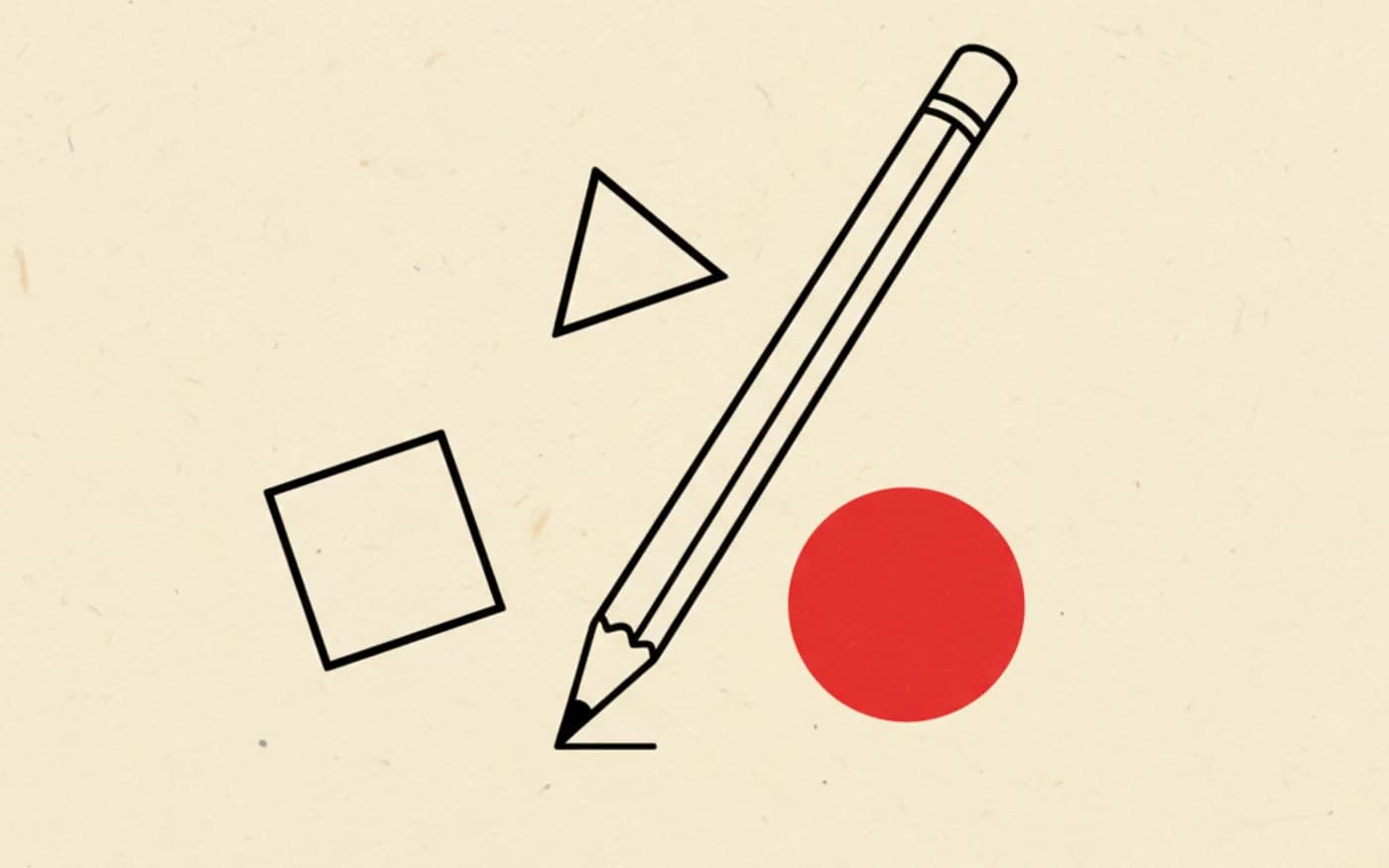
A logo design in the UK costs anywhere from £5 to £5,000, and unlike most pricing spreads, every point on that scale is genuinely on sale somewhere. A marketplace logo runs £20 to £150, a competent freelancer £150 to £500, a proper brand identity from a studio £500 to £2,500, and agency work starts around £3,000. For a plumber in Pontypridd or a salon in Swansea the right answer is usually in the middle, and this guide explains what each price actually buys, so you spend once.
The quick answer
| Route | Typical cost | What you get |
|---|---|---|
| AI logo generator | £0 to £50 | A generic mark from a template engine |
| Marketplace (Fiverr and similar) | £20 to £150 | Fast, cheap, often recycled elements |
| Freelance designer | £150 to £500 | A considered logo, quality varies with the designer |
| Studio brand identity | £500 to £2,500 | Logo suite, colours, type and usage rules |
| Brand agency | £3,000+ | Research, strategy, full identity systems |
The bands overlap on the surface: every route hands you an image file at the end. The differences are in originality, usable formats, and who actually owns the thing, which is where cheap logos get expensive.
Why logo prices vary so wildly
You are not paying for the shape; you are paying for what surrounds it. A proper job includes understanding your business and your competitors, sketching directions rather than settling on the first idea, refining the mark so it works at every size from a van door to a favicon, and delivering real files: vector originals that scale forever, not just a PNG. A £20 logo skips all of that, which is fine until the day you need your mark on signage and discover you own a small blurry rectangle.
The £20 logo problem
Marketplace logos have three recurring failure modes. First, recycled elements: stock icons reused across hundreds of businesses, which means your "unique" mark may be on a van in another county already. Second, no real ownership: cheap sellers often cannot legally transfer rights to artwork built from stock parts, which matters the day you try to trademark or a competitor uses the same icon. Third, unusable files: no vector originals, so every future use means paying someone to redraw it. The rework usually costs more than doing it properly would have.
A cheap logo is not a small version of a good one. It is a different product wearing the same name.
If you would rather commission it properly once, our branding service is quoted per project against exactly the checklist this guide describes, with everything you receive, files and rights included, yours in writing.
What commissioning a logo properly looks like
Knowing the process makes every quote easier to judge, because the price differences between designers are mostly differences in how much of this they actually do. A proper job starts with discovery: understanding what you do, who buys from you, and what the competition around you looks like, because a mark that blends in with the three other plumbers in town has failed before it is drawn. Then directions: two or three genuinely different routes sketched and presented, not one idea defended to the death. Then refinement: the chosen direction tested at every size it will live at, from a van door to a 16-pixel favicon, with revision rounds agreed up front. And finally delivery, which is where cheap providers quietly fail you: vector originals (SVG, EPS or AI), PNG exports in your colour variants, versions that work on dark and light backgrounds, and written assignment of the rights.
Ask any designer to walk you through their version of those four stages. The ones worth paying describe something recognisable in their own words; the ones to avoid jump straight to "how many concepts do you want?", which is a volume question, not a design process.
Everywhere the logo has to work, and why it drives the price
A worked example makes the format question concrete. Take a Neath roofing firm commissioning a mark. Within a year that logo will need to live on: the website header and favicon, the Google Business Profile, two van doors and a rear panel, workwear embroidery, PVC site boards, invoices and quotes, and social profiles. That is eight environments with wildly different demands: embroidery punishes fine detail, a favicon punishes complexity, a van rewards bold simplicity readable at thirty miles an hour, and print needs colour values that match the screen version.
A designer who knows this designs for the hardest environment first and supplies the file set to cover all of them, which is a genuine part of what the £150 to £500 band buys. A £20 marketplace logo is designed for exactly one environment, the seller's portfolio thumbnail, and the gap surfaces the first time the embroiderer asks for a vector file that does not exist.
What moves the price inside the bands
Four factors explain most of the honest variation between UK logo quotes. Experience and evidence: a designer with a portfolio of marks still in use years later charges more than a beginner, and is usually cheaper per year of service. Scope of the brief: a standalone mark costs less than a mark plus the colour, type and usage rules that make it a system. Revision structure: quotes with defined revision rounds cost more than "unlimited revisions" offers, and are almost always the better deal, because unlimited revisions is how projects drift for months and end in fatigue rather than quality. And rights and files: full written assignment plus complete source files is part of what a professional price includes, and its absence is why the cheapest quotes are cheap.
What should not move the price much is speed. A competent designer can turn a focused small-business identity around in a couple of weeks; treat both "ready in one hour" and month-long timelines for a single mark with equal suspicion.
What about AI logo generators?
The newest entry in the market deserves a straight answer. AI generators produce a mark in seconds for £0 to £50, and for a weekend project or a test of a business idea that is genuinely fine. For a real business the problems are the familiar ones wearing new clothes: the results pull from the same visual soup, so distinctiveness is luck; the legal position on ownership of generated marks remains murky, which matters the day you try to protect yours; and you still receive no design thinking, no usage system and often no usable vector. Treat the AI band exactly like the £20 marketplace band: disposable by design, priced accordingly.
A logo is not a brand identity
The logo is one piece. What makes a business look established is consistency: the same colours, type and tone across your website, your van, your invoices, your Google profile and your socials. That is what a brand identity package delivers, usage rules included, and it is why identity work costs more than a mark alone. It is also why it pays for itself: customers trust businesses that look the same everywhere, and inconsistency reads as amateurism even when the work is excellent.
Who owns your logo? Ask before you pay
The question almost nobody asks, and the one that causes the most grief later. Ownership of commissioned artwork does not automatically transfer to you in UK law; it stays with the creator unless assigned in writing. Before you pay anyone, ask two things: will I receive the vector source files, and will you assign the rights to me in writing? Our own position is written into our terms: brand identity we create for a client belongs to that client, full stop. Any decent designer will match that; walk away from anyone who hesitates.
What we charge in Wales
Our branding service is quoted per project, because a sole trader needing a clean mark and a firm needing a full identity with guidelines are different jobs, and pretending one price fits both is how corners get cut. Branding work is most often paired with a build, where the identity and the website are designed as one thing rather than bolted together, and everything you receive, files and rights included, is yours in writing.
Logo first or website first?
If you are starting from nothing, identity comes first: colours and type decided up front make the website faster to build and coherent from day one. If you are an established business whose logo is dated but recognised, think carefully before replacing it; often a tidy-up (redrawn vector, refined colours) keeps the recognition you have earned while fixing the rough edges. A good designer will tell you which you need rather than selling you the bigger job. Businesses in Swansea and across South Wales come to us for both, and the honest answer varies.
The bottom line
Budget £150 to £500 for a proper logo from someone competent, £500 to £2,500 when you want the full identity done right, and treat anything under £50 as disposable. Whatever you spend, insist on vector files and written ownership, because the most expensive logo is the one you have to buy twice.
Rather have this handled?
Everything in this guide is what we do all day for Welsh businesses: custom-coded sites, local SEO and a listing that stays busy.
Frequently asked questions.
Marketplace logos run £20 to £150, freelance designers £150 to £500, studio brand identities £500 to £2,500, and agencies from £3,000. The middle bands are where most Welsh small businesses should be.
As a placeholder while you test an idea, perhaps. As the face of a real business, rarely: elements are often recycled across many buyers, rights frequently cannot be transferred, and you rarely receive the vector files future signage and print will need.
Vector originals (SVG, EPS or AI) plus ready-to-use PNGs in your colour versions. Vector files scale to any size forever; if a designer only offers PNG or JPEG, the logo will need redrawing the first time you put it on a van.
In UK law, the creator, unless the rights are assigned to you in writing. Ask for written assignment before paying. When we create brand identity for a client, it belongs to that client, and our terms say so.
A new business benefits from identity first, since colours and type make everything after it coherent. An established business with a recognised mark often needs a careful tidy-up rather than a replacement.
Jack Warner
Founder, WebDev Wales · 1 August 2026
Keep reading.

No obligation, replies within 24 hours
Rather have it handled for you.
Reading about local SEO is free. So is the quote for having every bit of it done properly, every month.